News
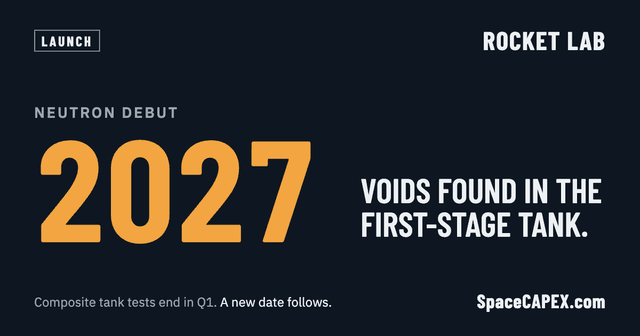
Rocket Lab has pushed Neutron's first flight to 2027 after voids were found in the first-stage composite tank. A new date will follow tests due to end in the first quarter.
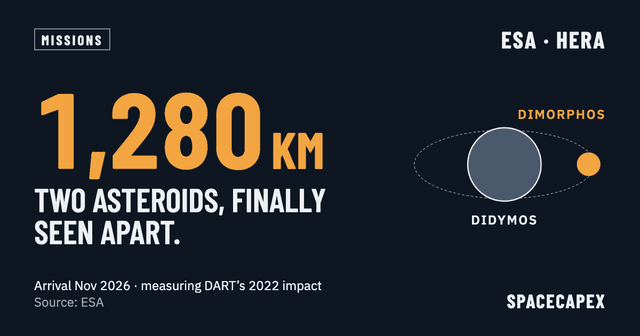
ESA's Hera has captured Didymos and Dimorphos as two separate objects for the first time, from 1,280 km. It arrives in November to find out exactly what DART's 2022 impact did.
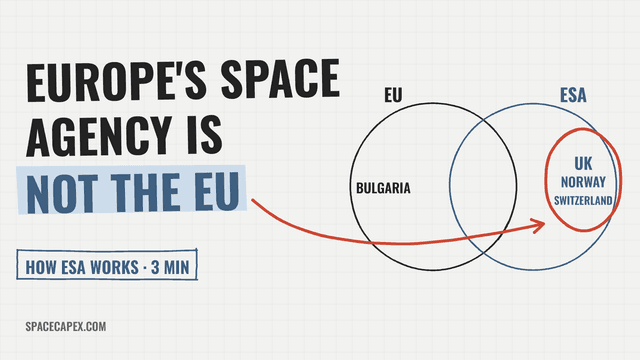
An €8.26bn budget, 23 members and a rule that sends every euro back home as contracts. Bulgaria is one of three EU states outside ESA, and associate membership has been pending since 2021.
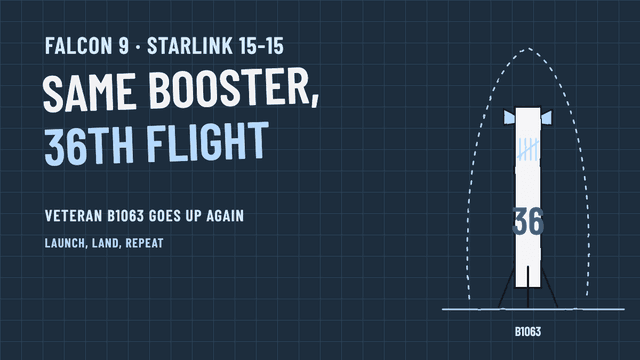
The booster that launched DART carries 27 Starlinks and edges closer to the reuse record. With no outside customer, the flight is paid for by subscribers bringing Starlink $4.3bn a quarter.
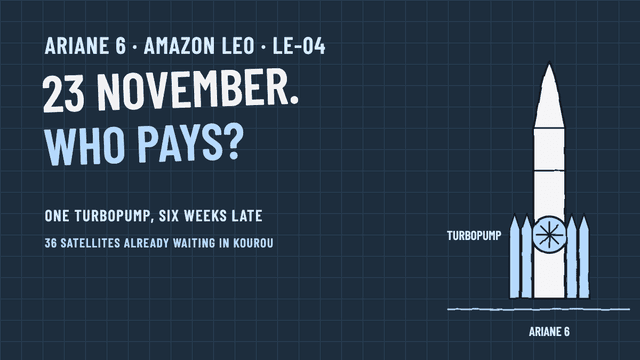
Arianespace has confirmed 36 satellites for VA271, while a turbopump anomaly pushed the flight back six weeks. The year will end with at most six Ariane 6 flights instead of the planned eight.
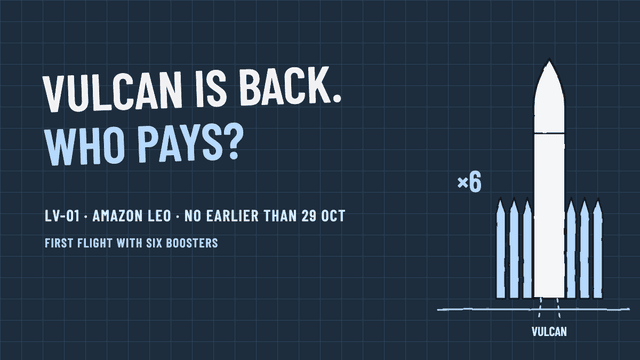
Grounded since February over its boosters, Vulcan returns with six of them and a load of Amazon satellites. For ULA the stakes are huge, while around 600 Amazon satellites sit on the ground.
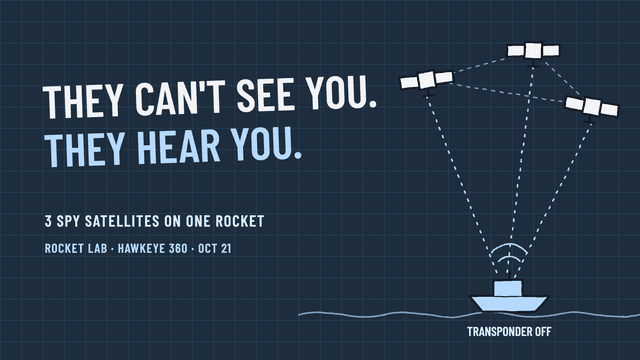
Electron carries a new cluster of three RF-intelligence satellites. The 2022 contract is nearly two years behind schedule, and HawkEye's shares trade 45% below their IPO price.
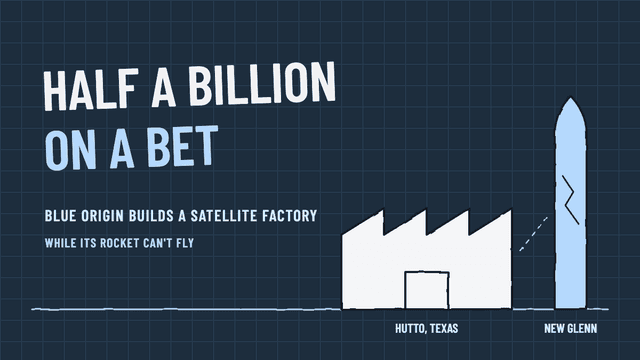
The Hutto campus will build TeraWave satellites and Quartz antennas, creating 2,000 jobs. But New Glenn's only pad is wrecked, and Bezos's satellites are waiting for rockets.
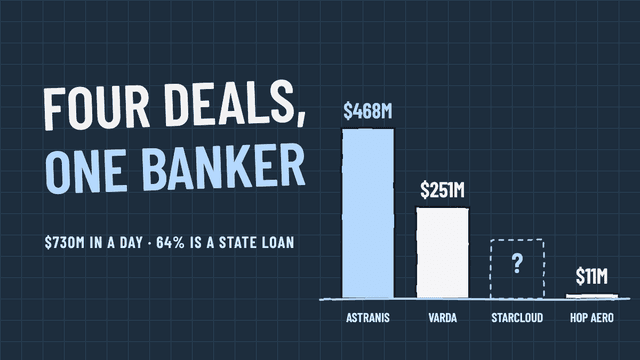
An EXIM loan, a Series D, a lunar server and a seed round for a cargo rocket, all in one day. Nearly two-thirds of the money is a state-backed loan, and only Astranis has a working business.
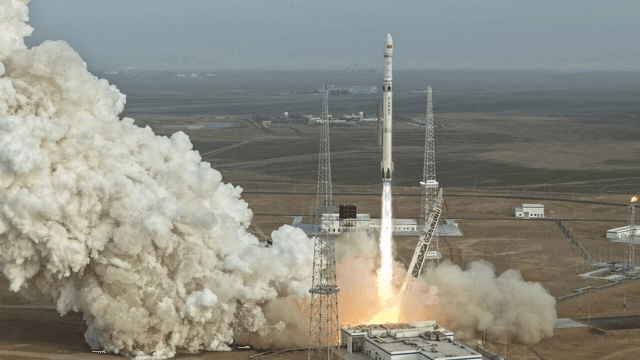
After December's failed landing, CASC is preparing a second flight with no date announced. Meanwhile LandSpace became the first in China to land a booster on legs, at the very same site.
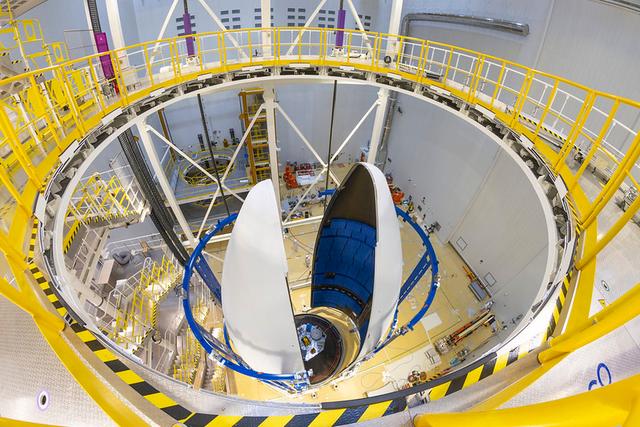
LE-04 is the fourth of 18 launches under Arianespace's contract with Amazon. Trackers point to 7 October, but without an official window the date is only a guide.
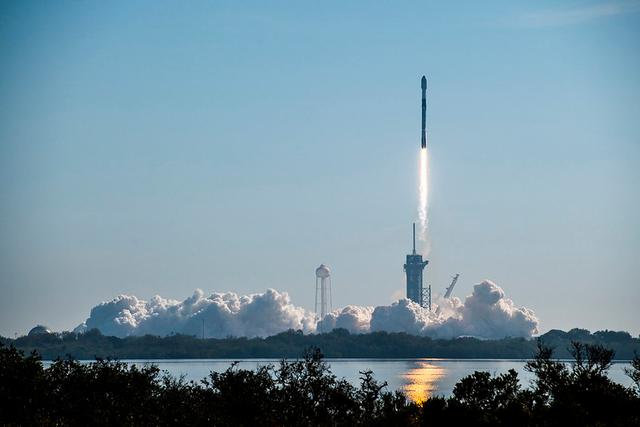
After a ten-day delay, SpaceX launches another batch of V2 Minis from Vandenberg. With Starship already orbiting the larger V3s, every such Falcon 9 flight feels like the end of a successful model.
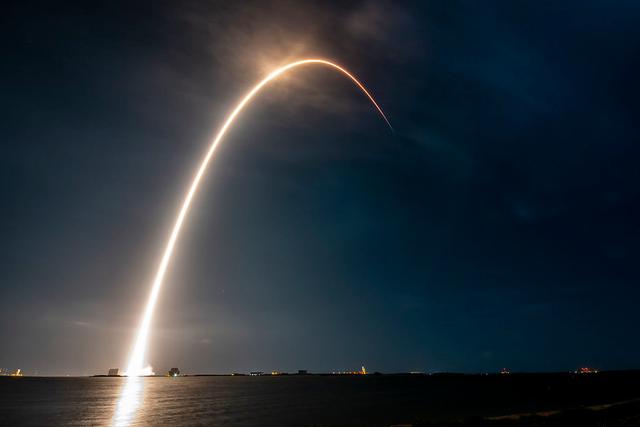
The SDA-T1TL-A mission carries the first half of Northrop's share of the Transport Layer. The agency promised a launch a month; a year on, it is only on its fourth flight.
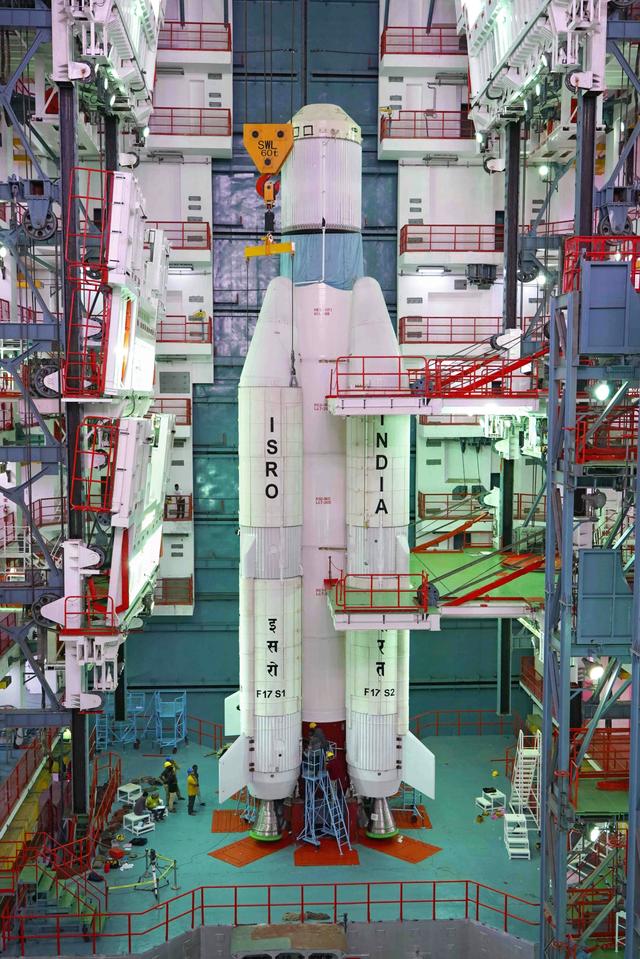
With only three working satellites, India's navigation system is below its minimum threshold. NVS-03 should bring it back to life after the NVS-02 failure and widespread atomic clock breakdowns.
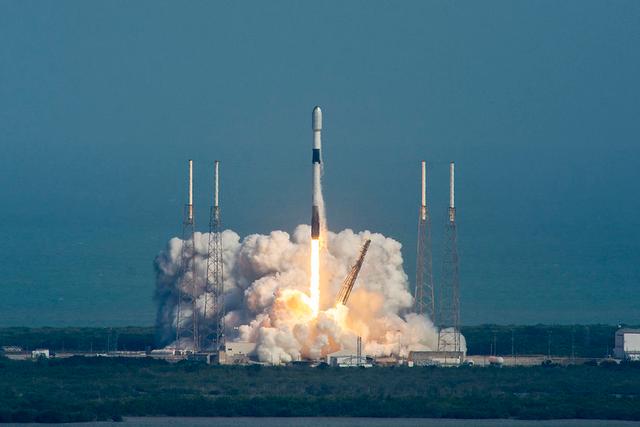
Falcon 9 is carrying 130 payloads, many of them European, on its latest rideshare mission. But if Starship replaces Falcon 9 after 2028, small operators may lose their cheap, regular ride.
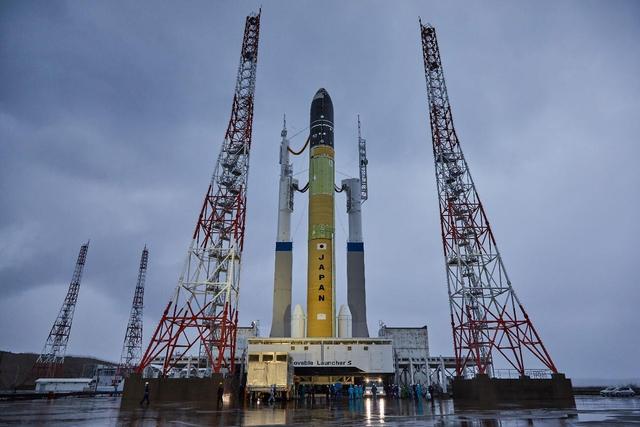
JAXA's MMX probe launches on an H3 on 20 October to bring more than 10 g of Phobos samples home by 2031. The $345m mission could show whether Mars's moons are debris from the planet itself.
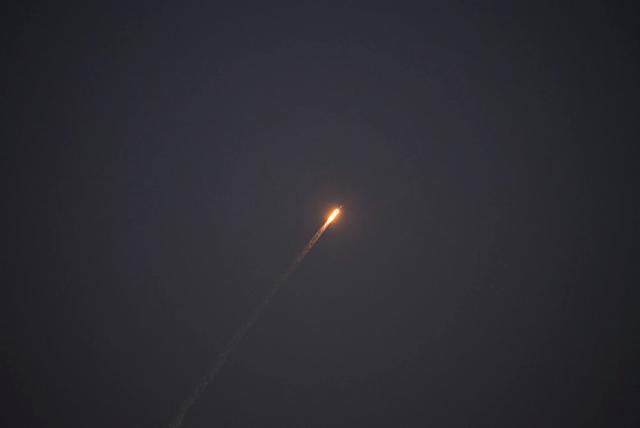
After a two-week delay caused by a propulsion leak, Dragon Grace is due to fly four astronauts to the ISS on 1 October. Watkins will become the first NASA astronaut to fly Dragon twice.
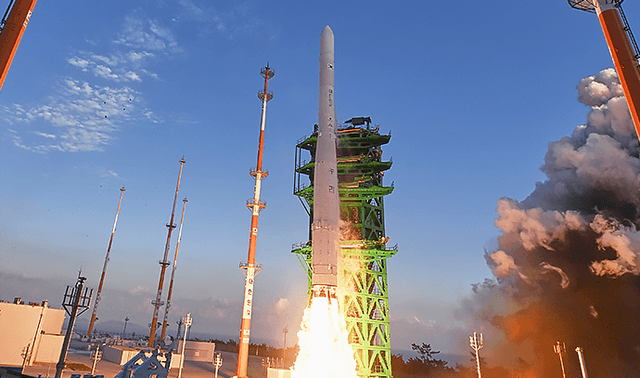
The South Korean rocket's fifth flight is set for 7 October, carrying five NEONSAT satellites and ten CubeSats. Seoul is building a national constellation on its own rocket, satellites and chips.
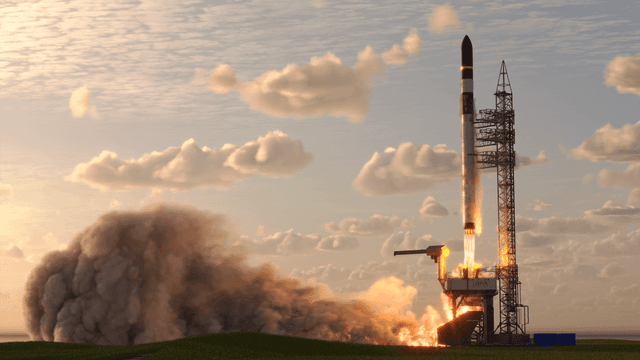
ESA is funding new test stands at SaxaVord, yet RFA ONE has still to complete a static fire. The debut is over two years late, and a conditional €186.9m hinges on reaching orbit by end-2027.
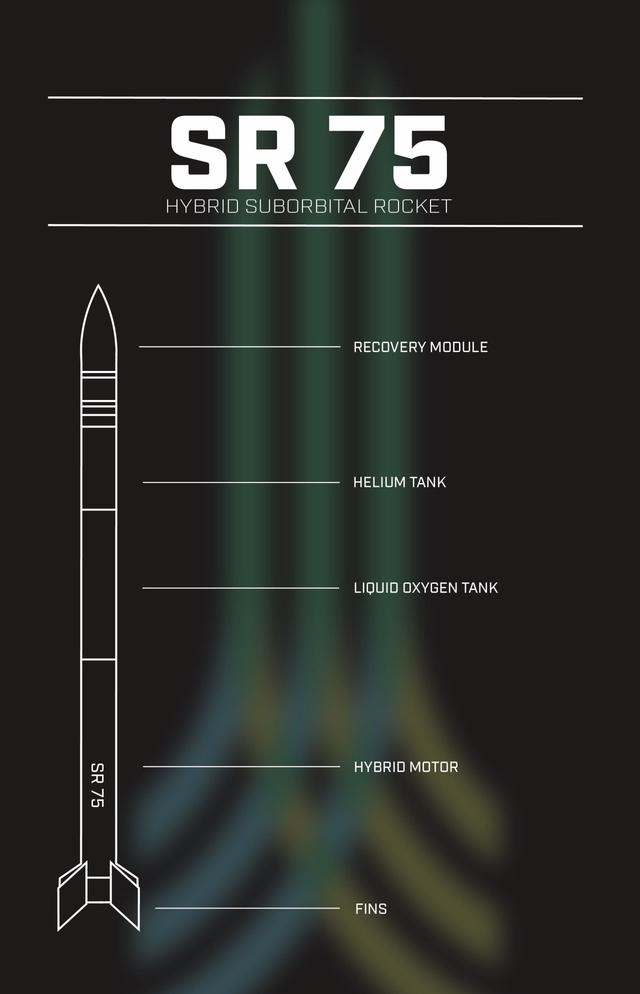
SaxaVord has dropped the state-funded SkyReach project. HyImpulse will install its own rail for SR75's second flight in October, which could be the spaceport's first launch.
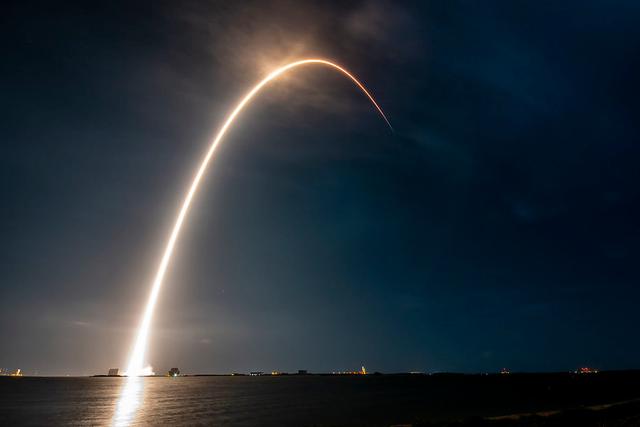
Flight 14 aims to put Starship into orbit for the first time, carrying 26 Starlink V3 satellites. After losing its payload in July, SpaceX is playing it cautious.
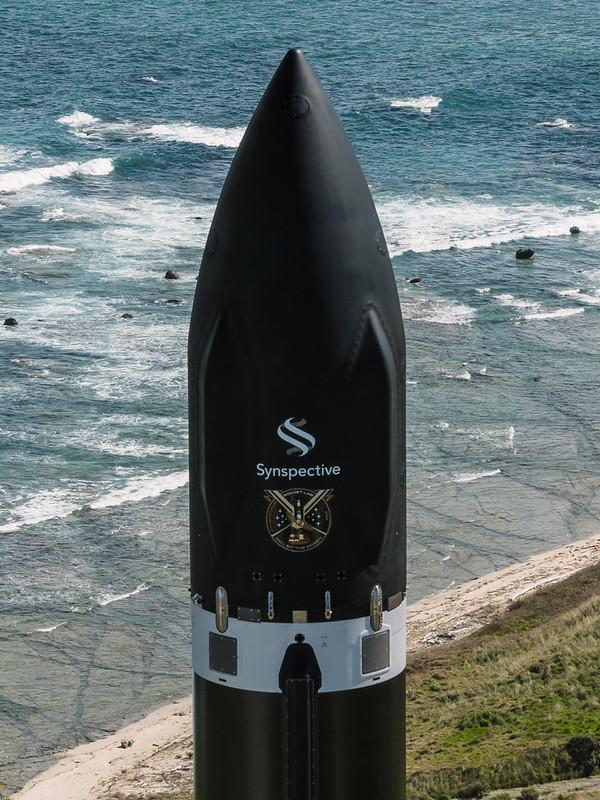
Rocket Lab is set to launch a 13th StriX radar satellite for Japan's Synspective. "Owlright, Owlright, Owlright" will be the company's 96th flight.