SaxaVord Spaceport in Shetland has officially buried the project that was supposed to give it a launch rail of its own for suborbital rockets. Germany's HyImpulse, which is preparing the second flight of its SR75 rocket from that very site, will simply bring its own.
The SkyReach saga is close to a textbook case of British space administration. In December 2022 the UK Space Agency awarded £378,000 for a rail capable of launching suborbital rockets weighing up to three tonnes. The project was then "paused" (the favourite word of any institution that doesn't want to say "stopped"), and in the agency's 2023/24 annual report it appeared among the missed milestones. Now a SaxaVord spokesperson has told European Spaceflight, without any hedging, that the project has been abandoned and that less than £10,000 of the money was drawn down, all of it for design work.
I like this candour more than yet another press release about a "strategic partnership". The trouble is the context. SaxaVord has yet to launch a single rocket, orbital or suborbital. Yet in its new space strategy of 8 September, the UK government named it the main national site for polar and sun-synchronous orbits and pledged £30m to it. The trust is considerable. The results, so far, are measured in concrete.
At least the concrete is real. On pad LP3 the foundations have been poured and the fittings installed, ready for the German rail. HyImpulse developed it in-house with money from the UK's SHARP programme, under which it received just under £5m in July 2024 as part of a wider £33m package. So the British taxpayer did pay for a rail in Scotland in the end. It just happens to be arriving from Germany.
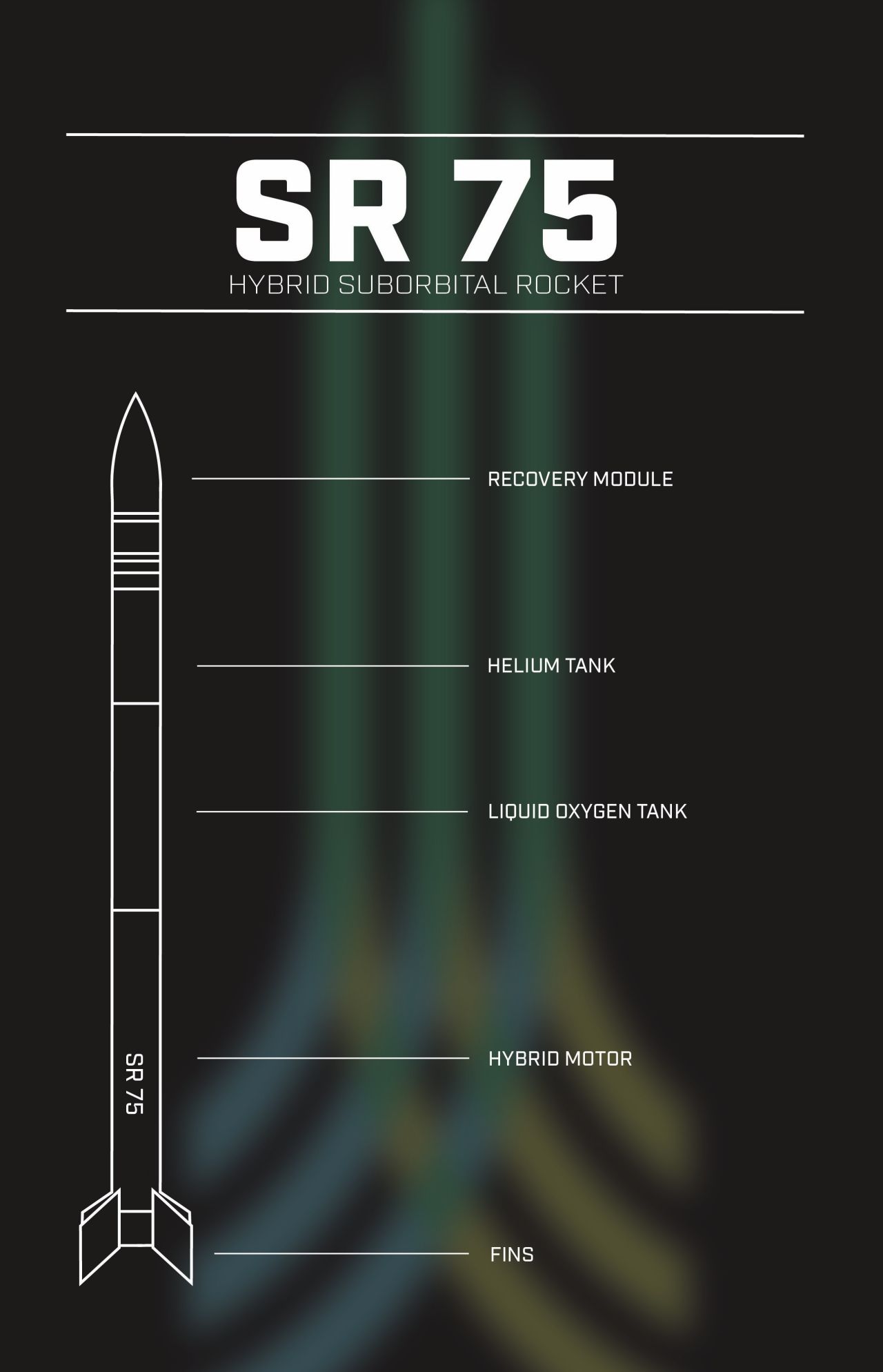
SR75 itself is an 11–12-metre rocket powered by a hybrid engine that burns paraffin (essentially candle wax) with liquid oxygen. It can lift up to 250 kg of payload to around 200 km and provide a few minutes of weightlessness before the payload returns by parachute. Its first flight took place in May 2024 from the Koonibba range in Australia. Norwegian air navigation operator Avinor and the UK Admiralty have already published notices for a window between 5 and 18 October, daily from 07:00 to 12:00 UTC (10:00–15:00 Bulgarian time). The rocket is due to fly around 135 km north, with the booster and nose fairing falling into the sea separately.
The company has yet to say whether any customer payloads will be on board, although it had promised its first commercial flight for 2026. For me, something else matters more. SR75 serves as a flying test bed for the orbital SL1, which is meant to put up to 500 kg into low Earth orbit. One clean flight from Shetland would give SaxaVord the first entry in its launch log, and give HyImpulse further proof that wax and oxygen can be serious business.