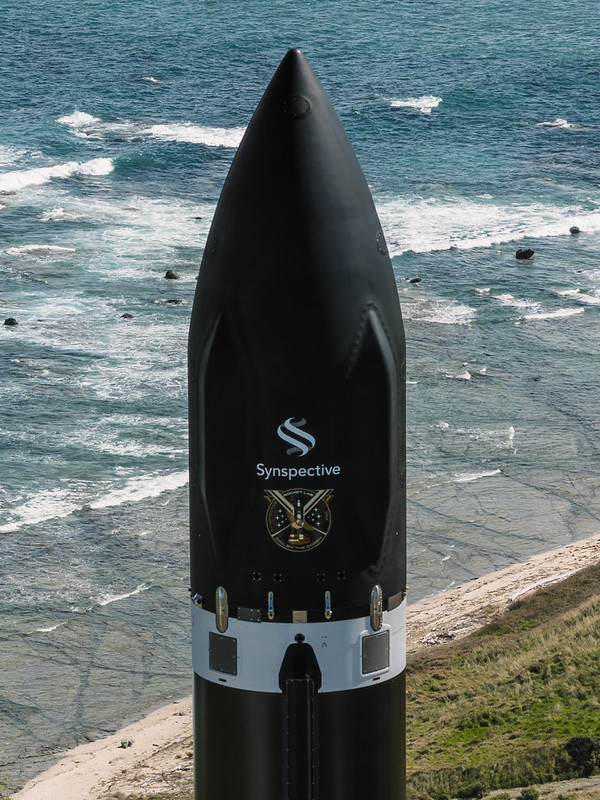
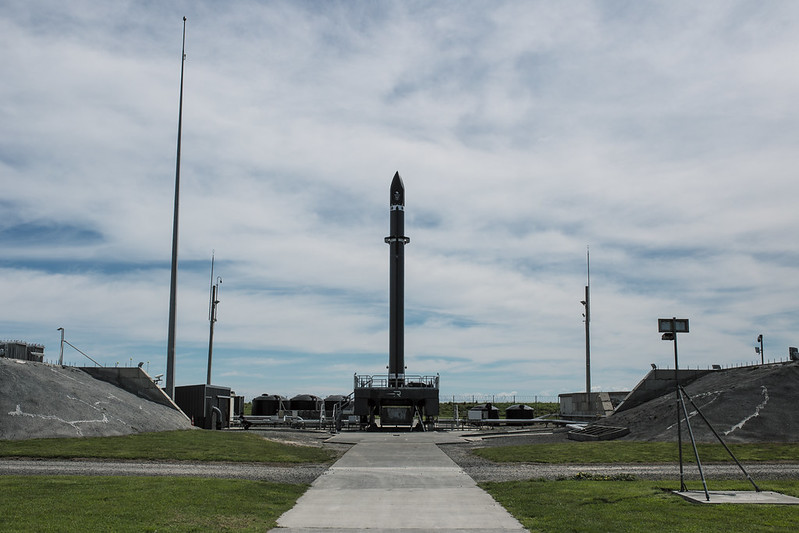
Quarter past midnight, UTC. That is when Rocket Lab plans to light the engines on its latest Electron. The mission is called "Owlright, Owlright, Owlright". Yes, it is an owl pun (the company clearly enjoys naming its flights for the Japanese, and frankly I prefer it to yet another "Mission-7B").
The payload is a single satellite: a StriX for Japan's Synspective.
What does it do? It watches the Earth by radar. Cloud, darkness, smoke from a wildfire: none of it gets in the way. Picture a landslide in a Japanese mountain village at 3am in driving rain. An optical camera sees grey mush; radar sees exactly where the road has vanished. That is what the constellation was built for, along with duller but lucrative work such as monitoring construction sites and urban planning.
Now for the number that impresses me most. Thirteen. That is how many missions Rocket Lab has flown for Synspective alone, as its sole launch provider since 2020. Another 14 are in the queue before 2030. How many small-launch operators can point to a customer that has stayed loyal for six years running? Not many.
All of this makes Electron launches feel almost routine. This will be the company's 96th flight. But routine is a treacherous word in spaceflight: one sticky valve and a "sure thing" slips by days. So don't set your alarm with total confidence.
The live stream starts roughly half an hour before lift-off.
Technical data
Mission: "Owlright, Owlright, Owlright"
Vehicle: Electron
Date: no earlier than 26 September 2026
Time: 00:15 UTC (03:15 EEST)
Launch site: Launch Complex 1, Pad B, New Zealand
Payload: 1 × StriX (SAR satellite)
Customer: Synspective, Japan
Orbit: LEO, 559 km
Inclination: 37°
Sequence: 13th mission for Synspective, Rocket Lab's 96th launch